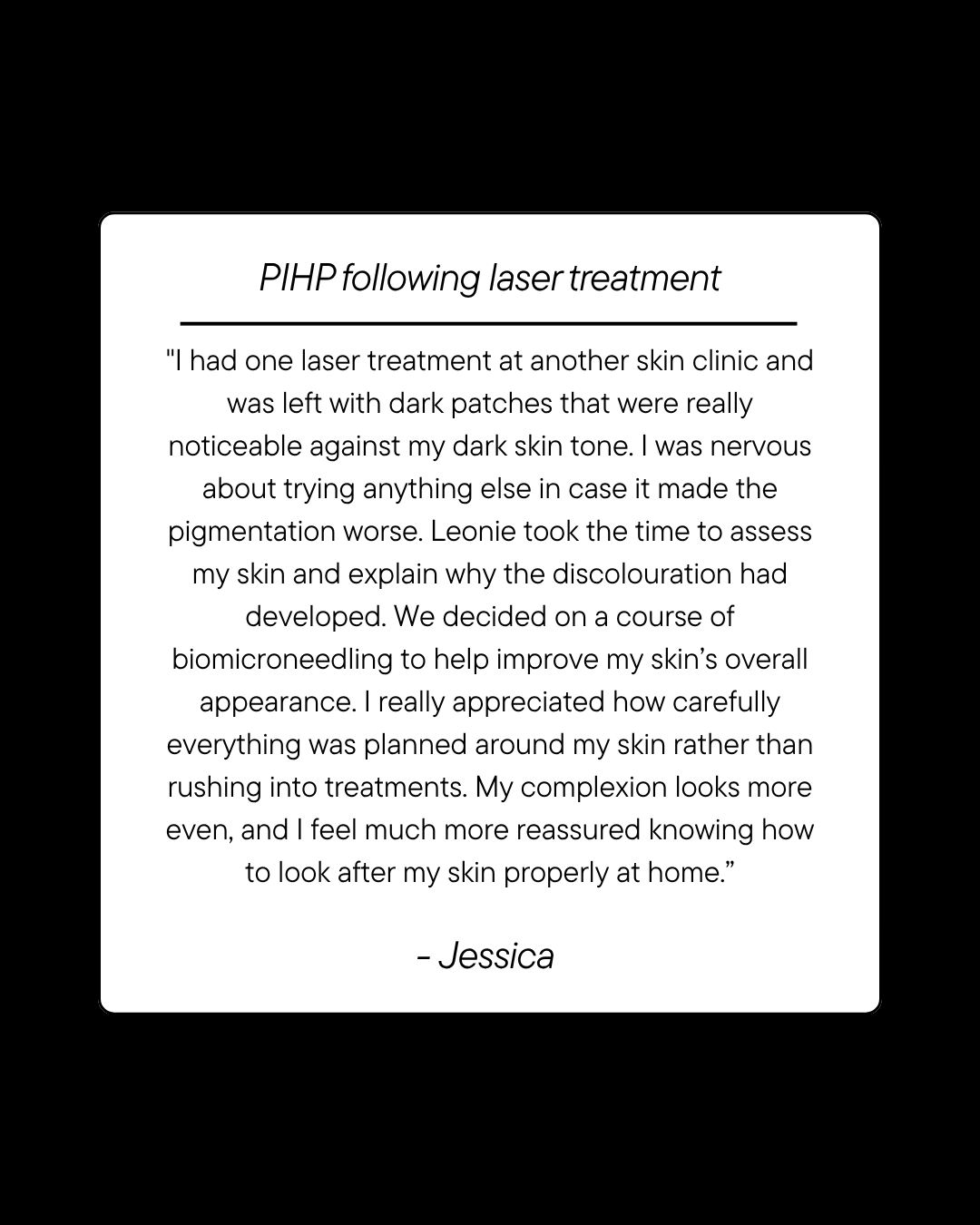
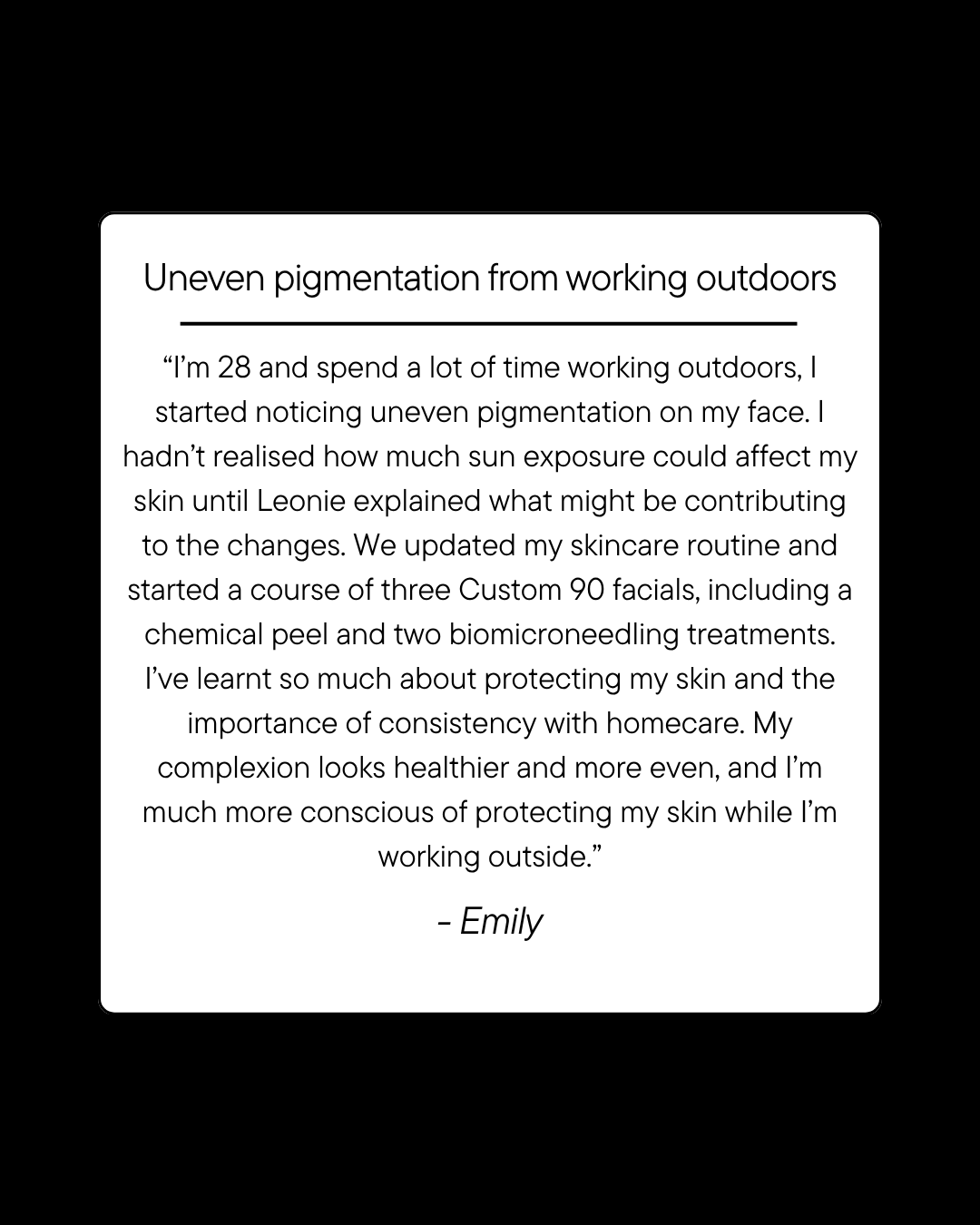
Pigmentation & UV Damage
Before and After
Understanding pigmentation beyond the surface
Uneven skin tone, dark patches and persistent pigmentation are often signs of changes occurring within the skin’s natural pigment-producing system.
At Leonie Thorne Skin Studio in Southampton, we look beyond the visible discolouration to understand what is driving it, how the skin is functioning and what may be contributing to its persistence.
Pigmentation is not simply a surface concern. It involves the interaction between your skin cells, melanin production, inflammation and environmental exposure.
Understanding these processes is the first step towards improving skin clarity, supporting cellular function and achieving a more even, healthy-looking complexion.
Epidermal Pigmentation
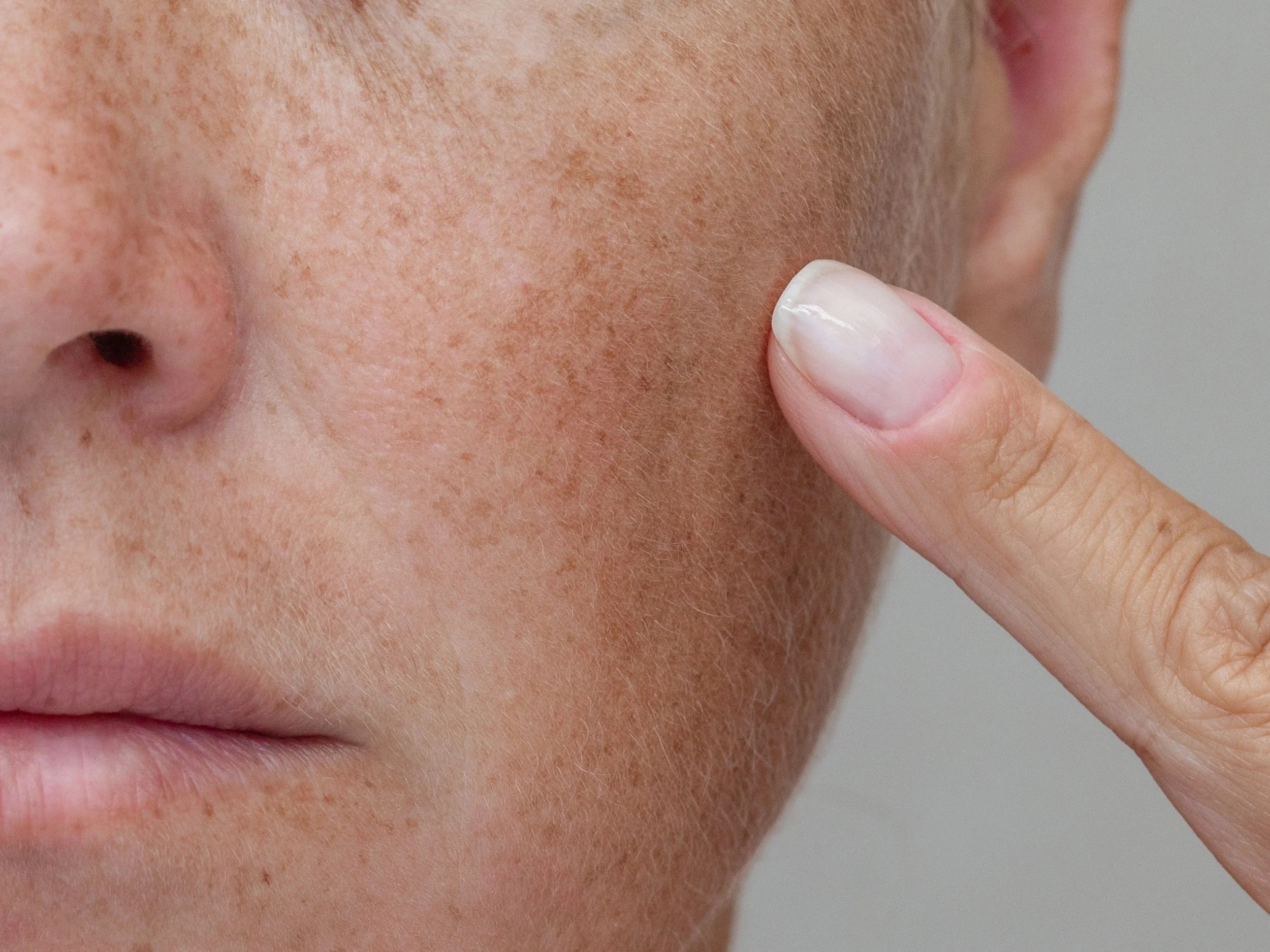
The epidermis is the outermost layer of your skin. Within its deepest layer, specialised cells called melanocytes produce melanin, the pigment responsible for your natural skin colour.
Melanin helps protect skin cells by absorbing and dispersing some of the energy from ultraviolet (UV) radiation. However, when melanocytes are stimulated to produce excess melanin, or pigment is distributed unevenly, darker areas can develop.
This may appear as sunspots, freckles, patches of discolouration or lingering dark marks following inflammation. Epidermal pigmentation occurs when excess melanin accumulates within the epidermis, although some pigmentation concerns involve deeper layers of the skin.
What is dermal pigmentation?
Dermal Pigmentation
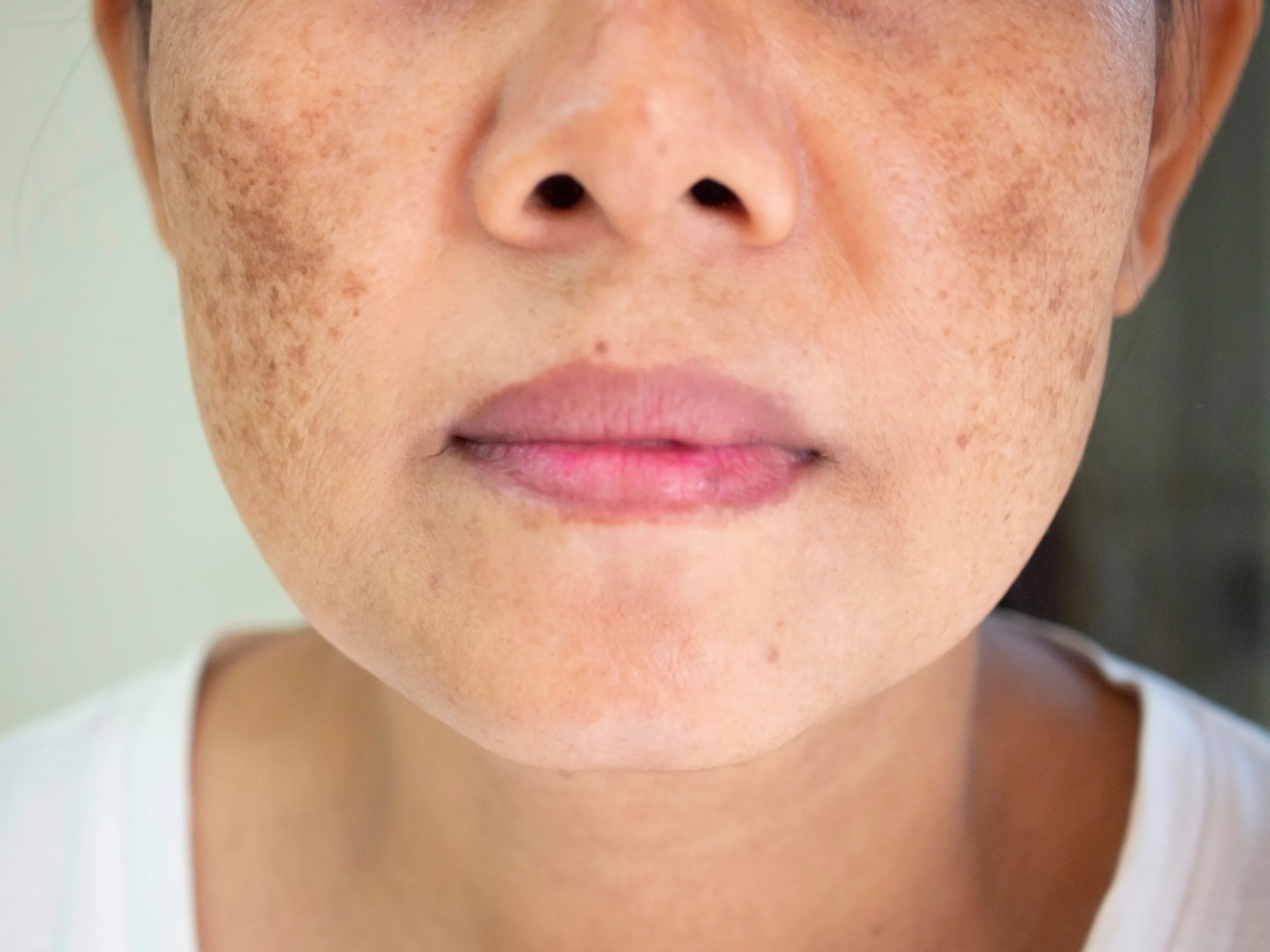
Dermal pigmentation occurs when melanin is deposited within the dermis, the deeper layer of the skin beneath the epidermis.
This can happen when pigment-containing cells or melanin move downwards following inflammation, hormonal changes or other forms of skin stimulation. Because dermal pigment is located deeper within the skin, it can appear more diffuse and may have a blue-grey, grey-brown or ashy tone rather than a clear surface brown.
It can also be more persistent and challenging to improve than pigmentation confined to the epidermis. Melasma may involve both epidermal and dermal pigmentation. When hormonal influences stimulate melanocytes and pigment extends into the dermis, it is often referred to as dermal or mixed melasma.
This type of pigmentation can be particularly persistent and may require long-term management rather than a short course of treatment.
The Causes
UV exposure and cumulative sun damage
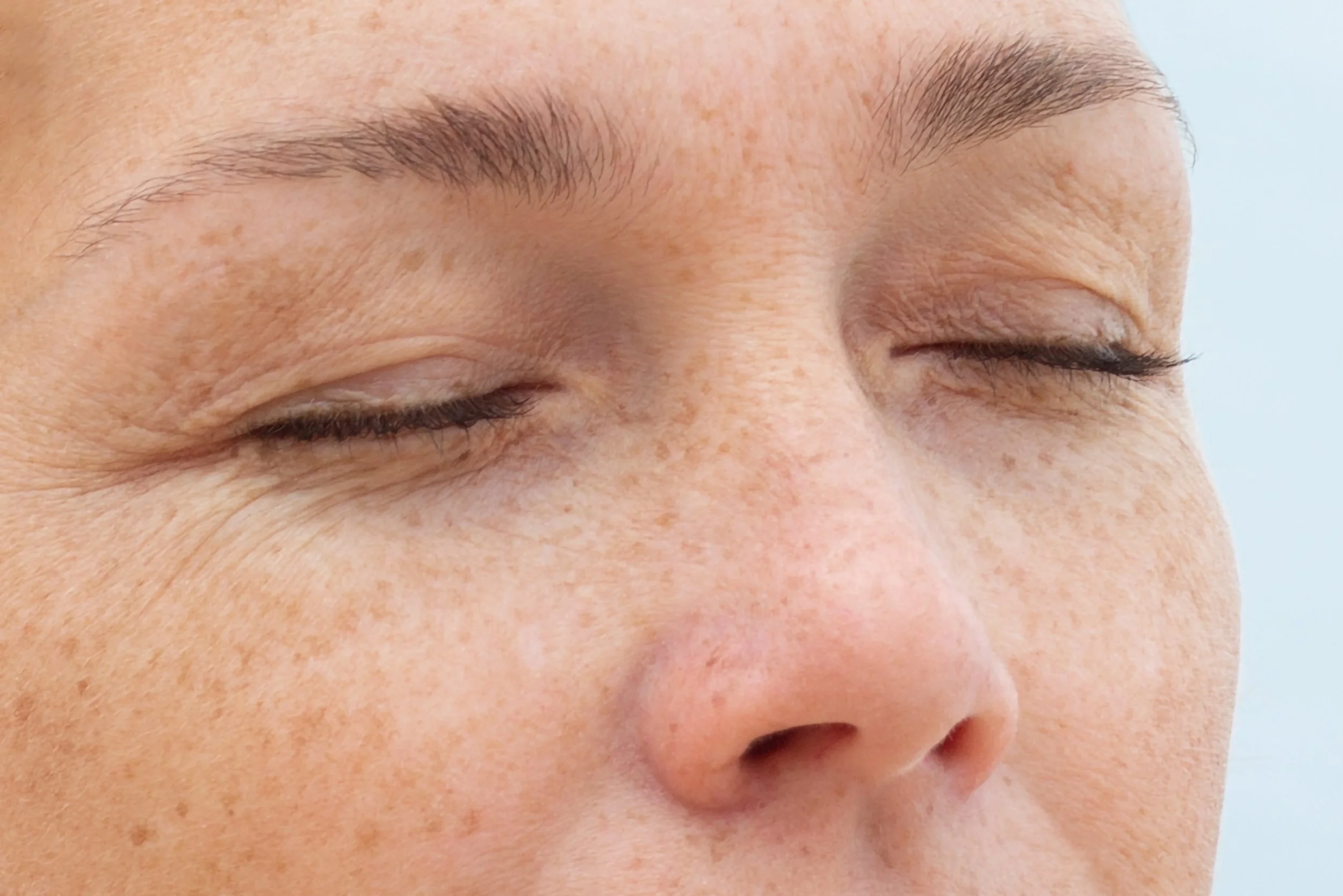
Ultraviolet radiation is one of the primary environmental triggers of pigmentation. UVA rays penetrate deeper into the skin and contribute to oxidative stress, collagen degradation and premature ageing, while UVB rays are a major cause of sunburn and directly stimulate pigment production. Both can contribute to pigmentation changes.
Repeated exposure can lead to uneven melanin production, visible sunspots and a gradual loss of skin clarity. Damage can accumulate long before it becomes visible, which is why pigmentation may appear years after periods of sun exposure.
Post-inflammatory pigmentation
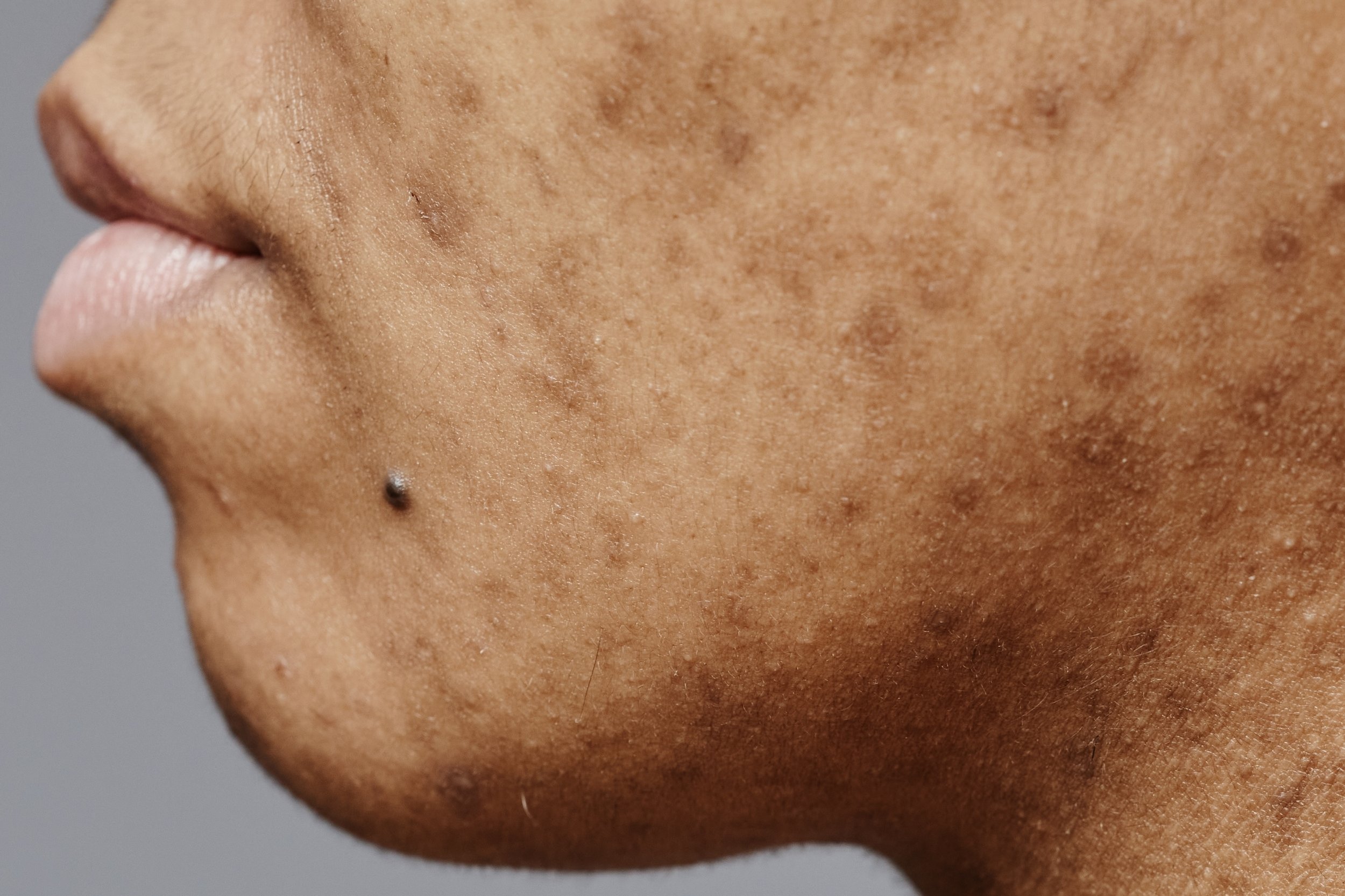
Post-inflammatory hyperpigmentation (PIH) develops when inflammation stimulates increased melanin production or causes pigment to become deposited within the skin.
When trauma or injury occurs, chemical signals activate melanocytes — the cells responsible for producing melanin. These cells may increase pigment production and transfer melanin into surrounding keratinocytes, leaving a brown, dark brown or grey-brown mark after the trauma has resolved.
If inflammation damages the base layer of the epidermis, melanin can also escape into the dermis, where it may persist for longer. PIH is particularly common in darker Fitzpatrick skin types. UV exposure and visible light can further intensify pigmentation in susceptible skin.
Hormonal influences and melasma
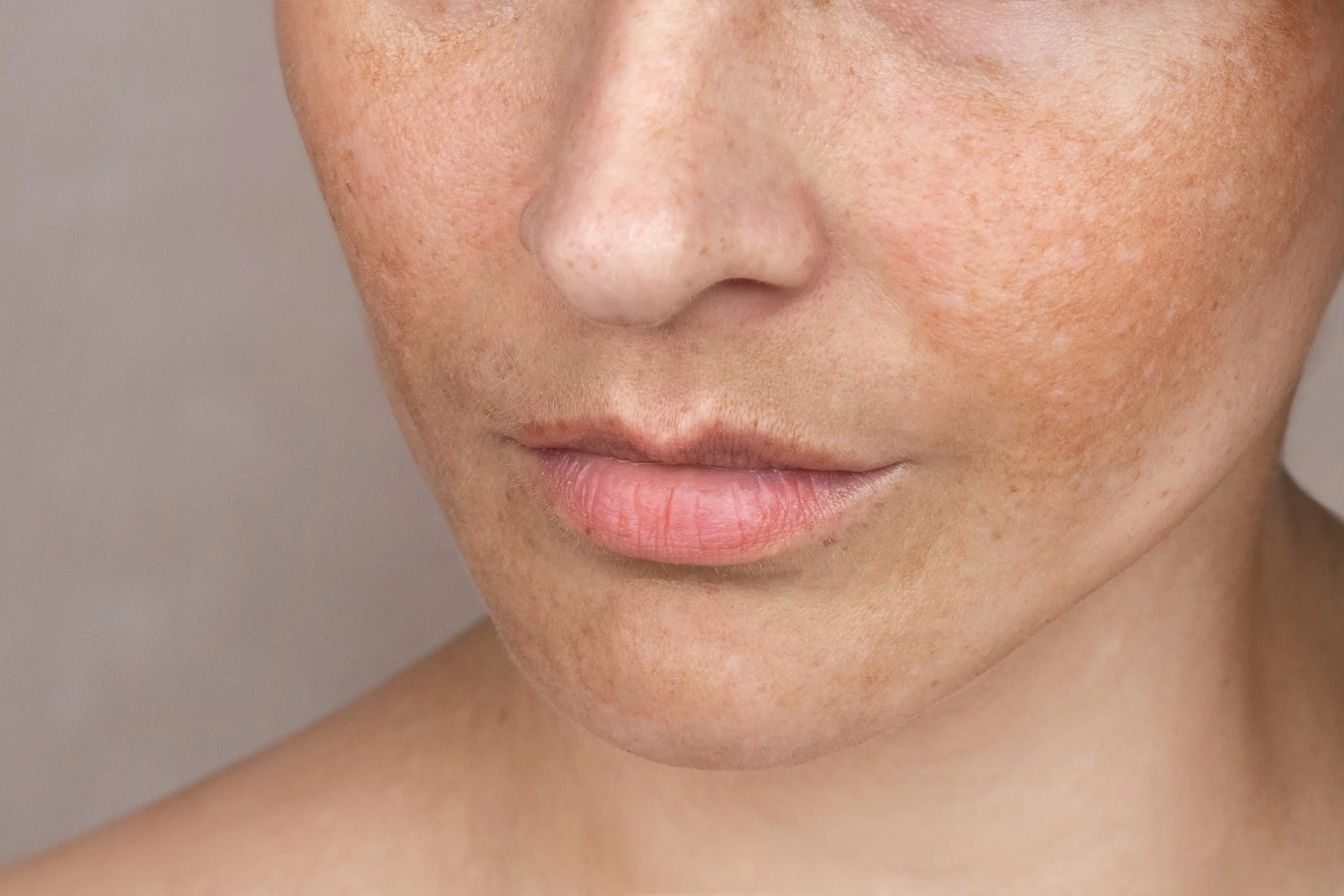
Hormonal fluctuations can contribute to melasma, a form of pigmentation that often appears as symmetrical brown or grey-brown patches on the cheeks, forehead and upper lip. Pregnancy, hormonal medication and UV exposure can all influence its development.
Hormonal changes stimulate melanocytes directly and can also increase the skin’s sensitivity to UV and visible light. In some cases, the resulting pigment is concentrated within the epidermis; in others, it extends into the dermis, creating dermal or mixed melasma. This deeper, hormonally linked pigmentation may appear more grey-brown and can be more resistant to treatment.

Ready to Understand Your Pigmentation?
Your Advanced Skin Health Check combines expert skin analysis and advanced diagnostics to create your personalised Cellular Renewal Pathway