Ageing & Skin Health
Before and After
Skin ageing is a natural biological process, but how your skin ages is influenced by far more than the passing years.
Changes in cellular activity, collagen production, hormonal balance, lifestyle and environmental exposure all contribute to the way your skin looks, feels and functions.
At Leonie Thorne Skin Studio in Southampton, ageing is viewed as a whole-skin concern. Fine lines and wrinkles are only part of the picture. Changes in firmness, hydration, texture, pigmentation and skin resilience can reflect underlying changes in cellular function and the skin’s ability to repair and maintain itself.
Understanding the difference between intrinsic and extrinsic ageing helps identify the factors influencing your skin and provides a more informed approach to supporting its long-term health.
Intrinsic Ageing
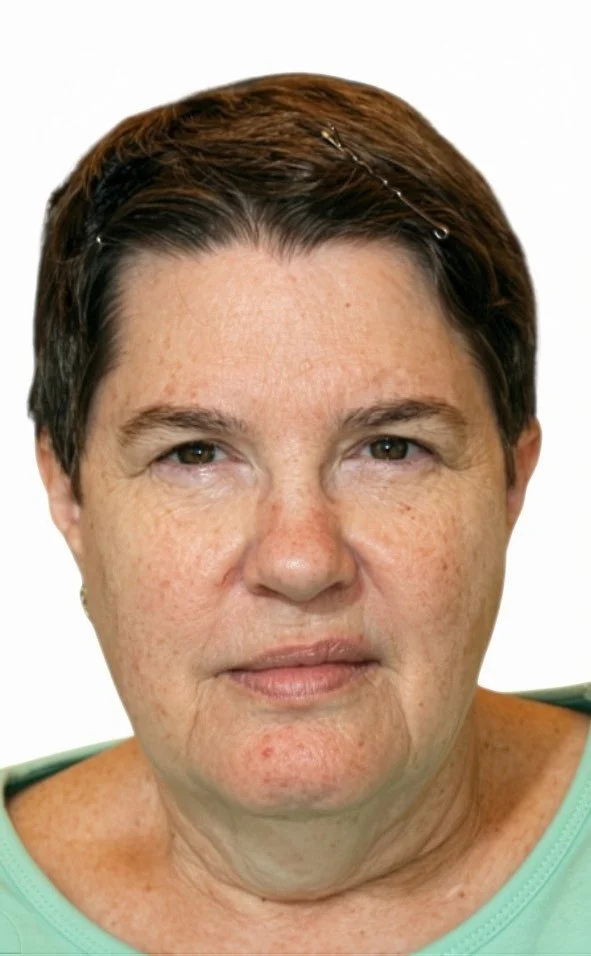
Intrinsic ageing, also known as chronological ageing, is the natural process that occurs as your body and skin change over time. It is influenced by genetics, hormonal changes and the gradual decline in cellular activity and regenerative capacity.
As skin ages, the production of collagen, elastin and other structural components becomes less efficient. Cell turnover slows, the skin’s natural moisturising mechanisms may become less effective, and the dermal structure gradually changes. Hormonal fluctuations, particularly during perimenopause and menopause, can accelerate changes in hydration, thickness and firmness.
Common signs of intrinsic ageing include:
Fine lines and wrinkles developing gradually.
Reduced skin firmness and elasticity.
Thinner, more delicate skin.
Increased dryness and reduced moisture retention.
Slower skin renewal and recovery.
Gradual loss of facial volume and changes in facial contours.
Extrinsic Ageing
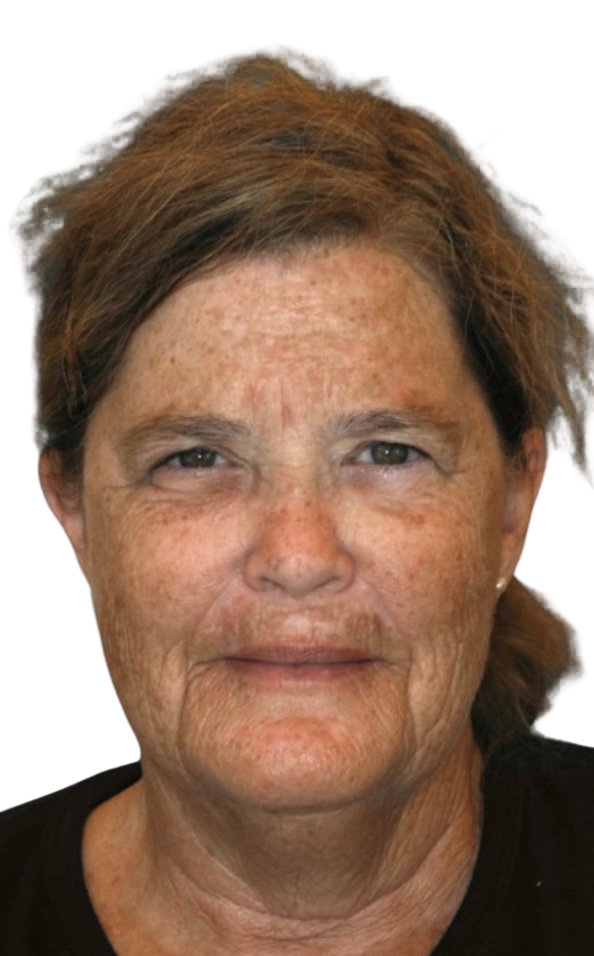
Extrinsic ageing refers to premature changes influenced by external exposures and lifestyle factors. Unlike intrinsic ageing, many of these influences are modifiable, making them an important focus of preventative skin health.
UV radiation is a major contributor to extrinsic ageing, often referred to as photoageing. Repeated exposure generates oxidative stress, damages cellular structures and accelerates the breakdown of collagen and elastin.
Over time, this affects the skin’s structural integrity, pigmentation and ability to maintain a smooth, even appearance. Lifestyle and environmental influences can compound this damage, particularly when the skin is repeatedly exposed to stressors without adequate protection or recovery.
Common signs of extrinsic ageing include:
Deeper wrinkles and more pronounced expression lines.
Loss of elasticity and a leathery skin texture.
Uneven pigmentation, sunspots and age spots.
Roughness, dullness and uneven skin tone.
Visible redness and broken capillaries.
Reduced firmness and an uneven surface texture.
Intrinsic and extrinsic ageing occur simultaneously. Their combined effects influence how quickly visible changes develop and how effectively the skin maintains its resilience.
Environmental and lifestyle factors that influence skin ageing
The skin is continually exposed to internal and external stressors. Over time, these can influence cellular activity, increase oxidative stress and compromise the skin’s natural protective and repair mechanisms.
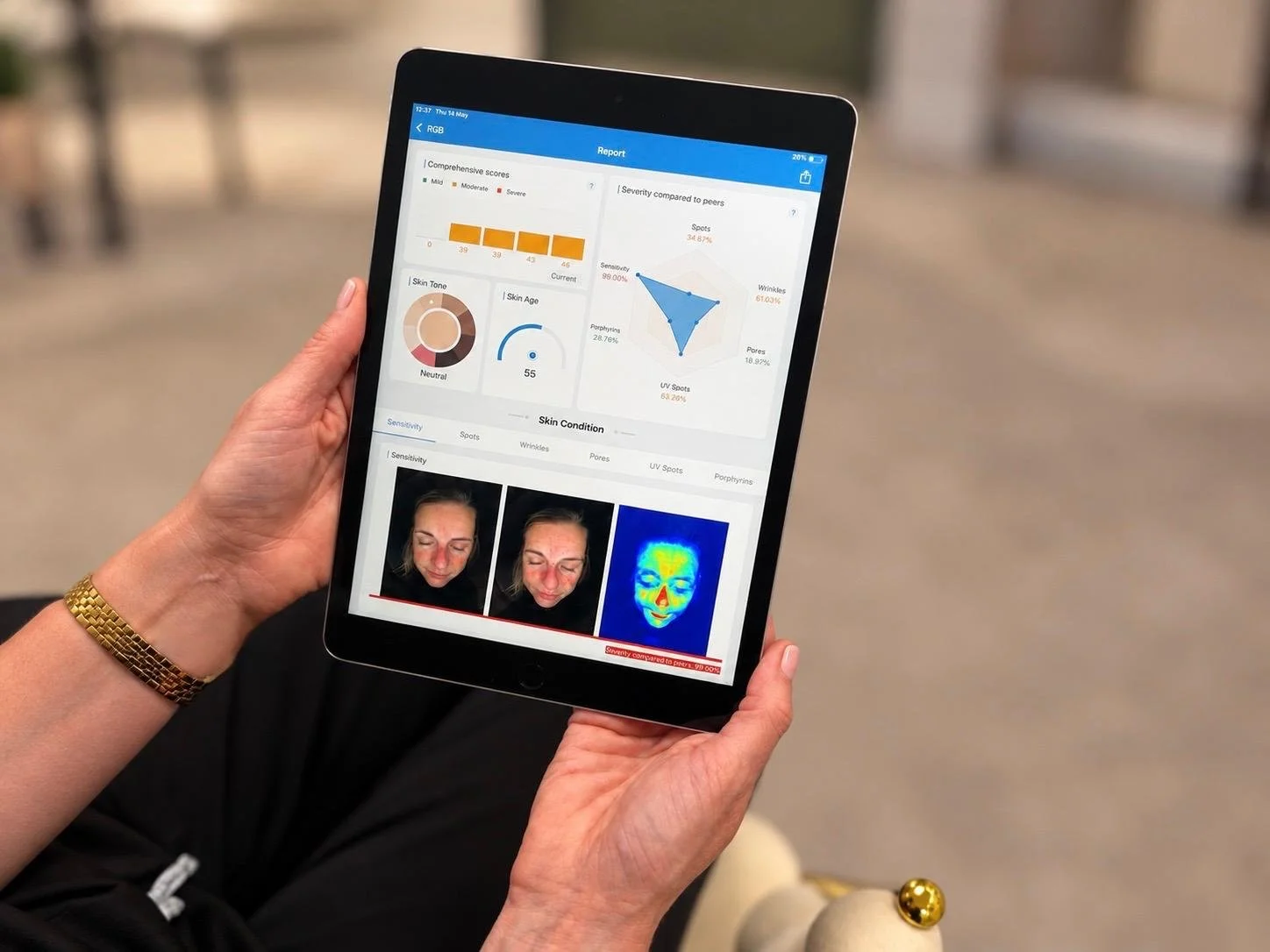
Blue light, also known as high-energy visible (HEV) light, is emitted by the sun and, to a lesser extent, digital screens and LED lighting. Emerging research suggests that certain levels of exposure may contribute to oxidative stress, potentially affecting cellular function and the integrity of collagen and elastin, which help maintain skin firmness and elasticity.
Blue light may also stimulate melanin production, potentially worsening pigmentation and uneven skin tone, particularly in skin prone to hyperpigmentation. In addition, evening screen exposure can disrupt sleep patterns, indirectly affecting the skin’s natural repair and recovery processes.
Blue light exposure
Sun exposure and UV radiation
UV exposure is one of the most significant contributors to premature skin ageing. UVA rays penetrate deeply and contribute to collagen and elastin breakdown, while UVB rays cause sunburn and direct DNA damage. Both can contribute to cumulative skin damage.
Repeated exposure can lead to wrinkles, pigmentation, reduced elasticity and changes in skin texture, even when sunburn has never occurred. Consistent broad-spectrum SPF 50 and sensible sun-exposure management are essential to protecting long-term skin health.
Chronic stress
Prolonged stress can influence inflammatory pathways, hormonal signalling and sleep quality. These changes may affect the skin’s barrier function and its ability to recover, potentially contributing to increased sensitivity, dullness and the exacerbation of existing skin concerns.
Lack of sleep
Sleep supports the body’s natural maintenance and recovery processes. Poor or insufficient sleep may compromise barrier function, increase water loss and affect the skin’s ability to recover from daily environmental exposure. Over time, this can contribute to a tired appearance, dehydration and reduced skin resilience.
Free radicals and oxidative stress
Free radicals are highly reactive molecules generated naturally by the body and through exposures such as UV radiation and pollution. When they exceed the skin’s antioxidant defences, oxidative stress can damage cellular components and contribute to inflammation, impaired repair and the degradation of collagen.
Smoking and reduced vitamin C availability
Smoking exposes the body to oxidative stress and can impair blood flow, affecting the delivery of oxygen and nutrients to the skin. It also increases the burden on antioxidant defences. Vitamin C is essential for collagen synthesis and provides antioxidant protection, so smoking-related oxidative stress can undermine the skin’s ability to maintain healthy structural support.
Diet and alcohol consumption
A balanced diet provides the vitamins, minerals, protein and essential fats required for normal skin function and repair. Diets consistently lacking in key nutrients may compromise these processes. Excessive alcohol consumption can contribute to dehydration, inflammation and disrupted sleep, potentially making the skin appear duller and less resilient.
????????