acne SCARRING & POST-ACNE MARKS
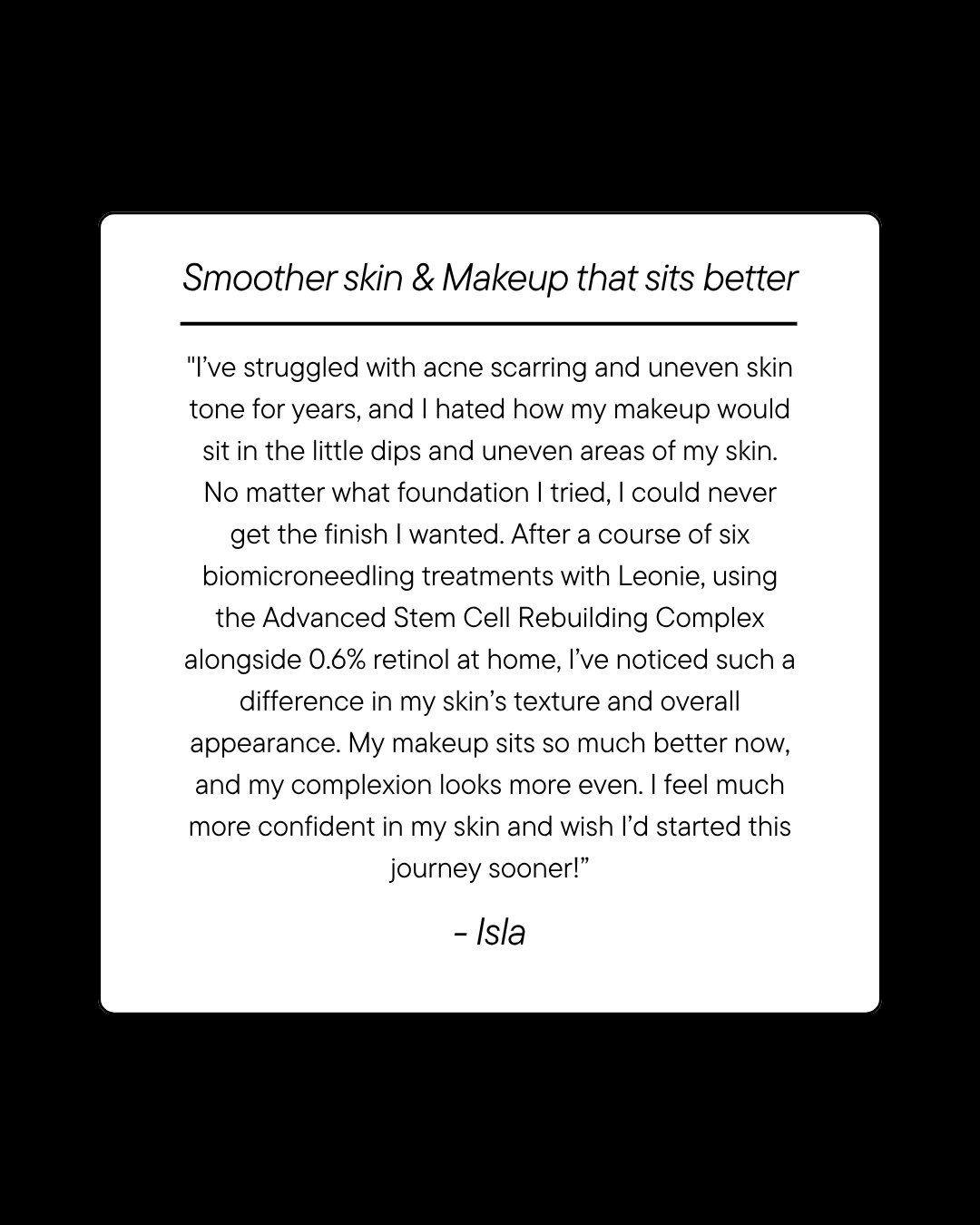
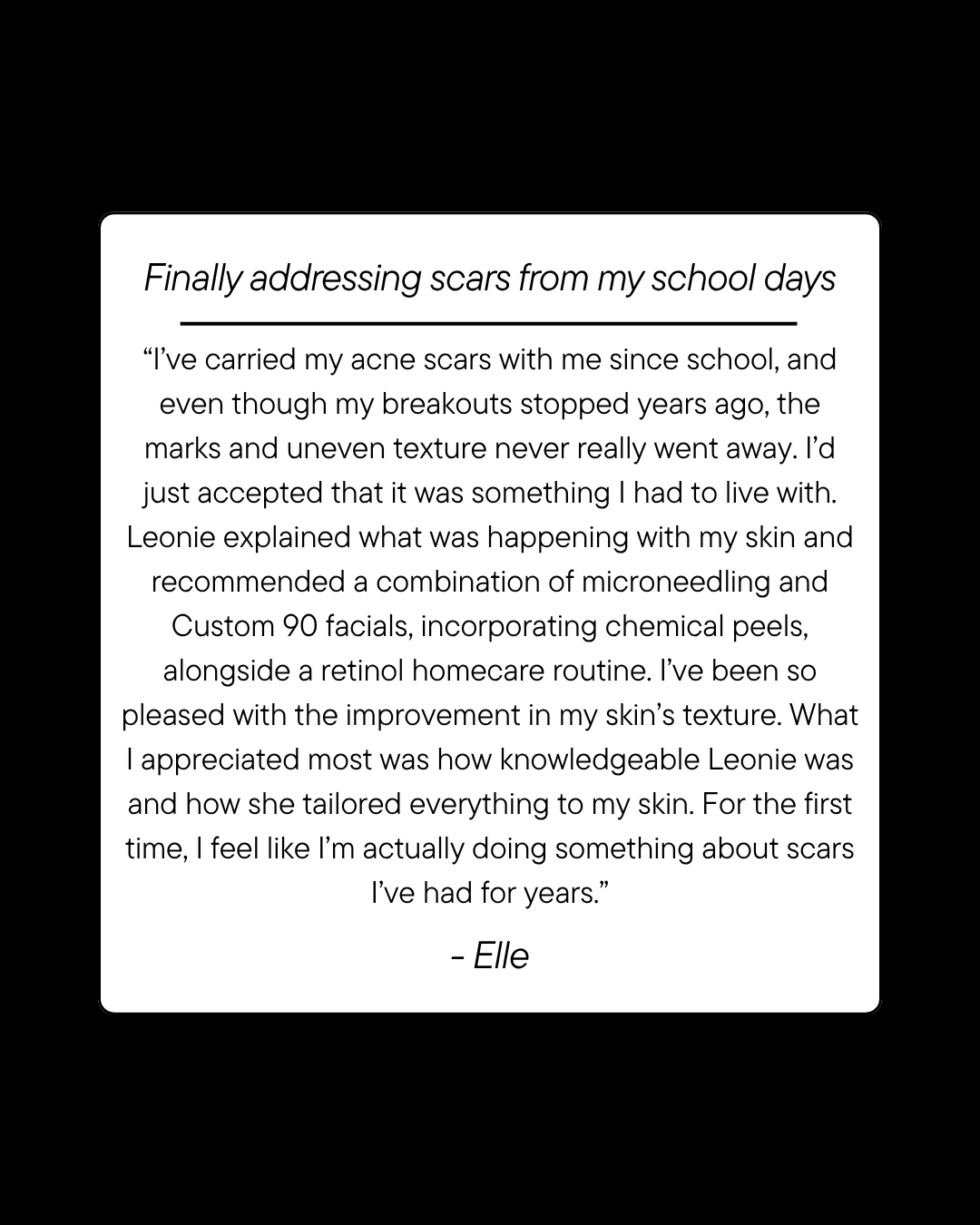
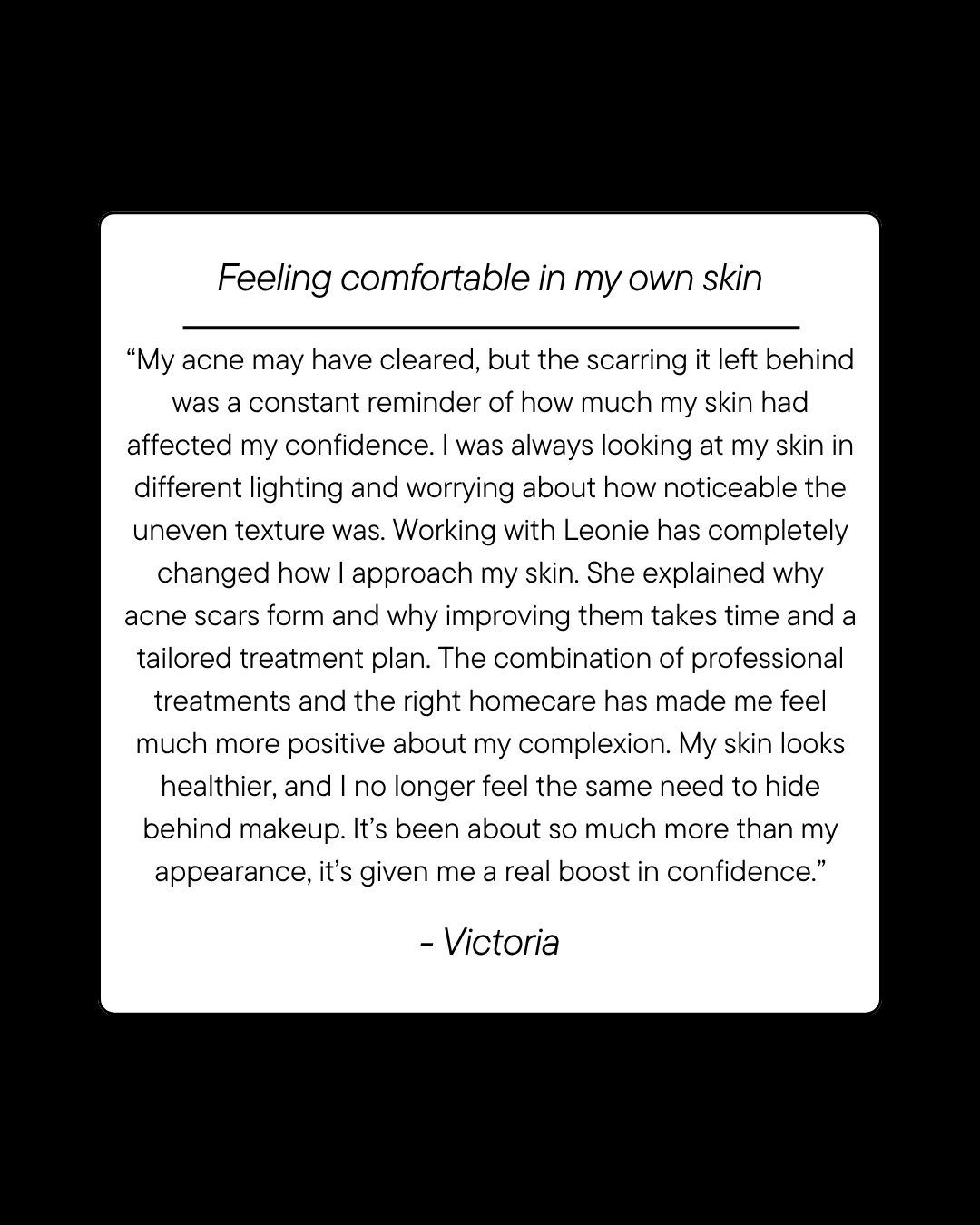
Before and After
Acne Scarring & Post-Acne Influences
Post-acne scarring, pigmentation and persistent redness are not simply marks left behind by spots; they reflect different biological responses to inflammation, tissue damage and the skin’s repair process. Identifying which response is occurring helps determine the most appropriate treatment strategy and home care.
Lost Collagen
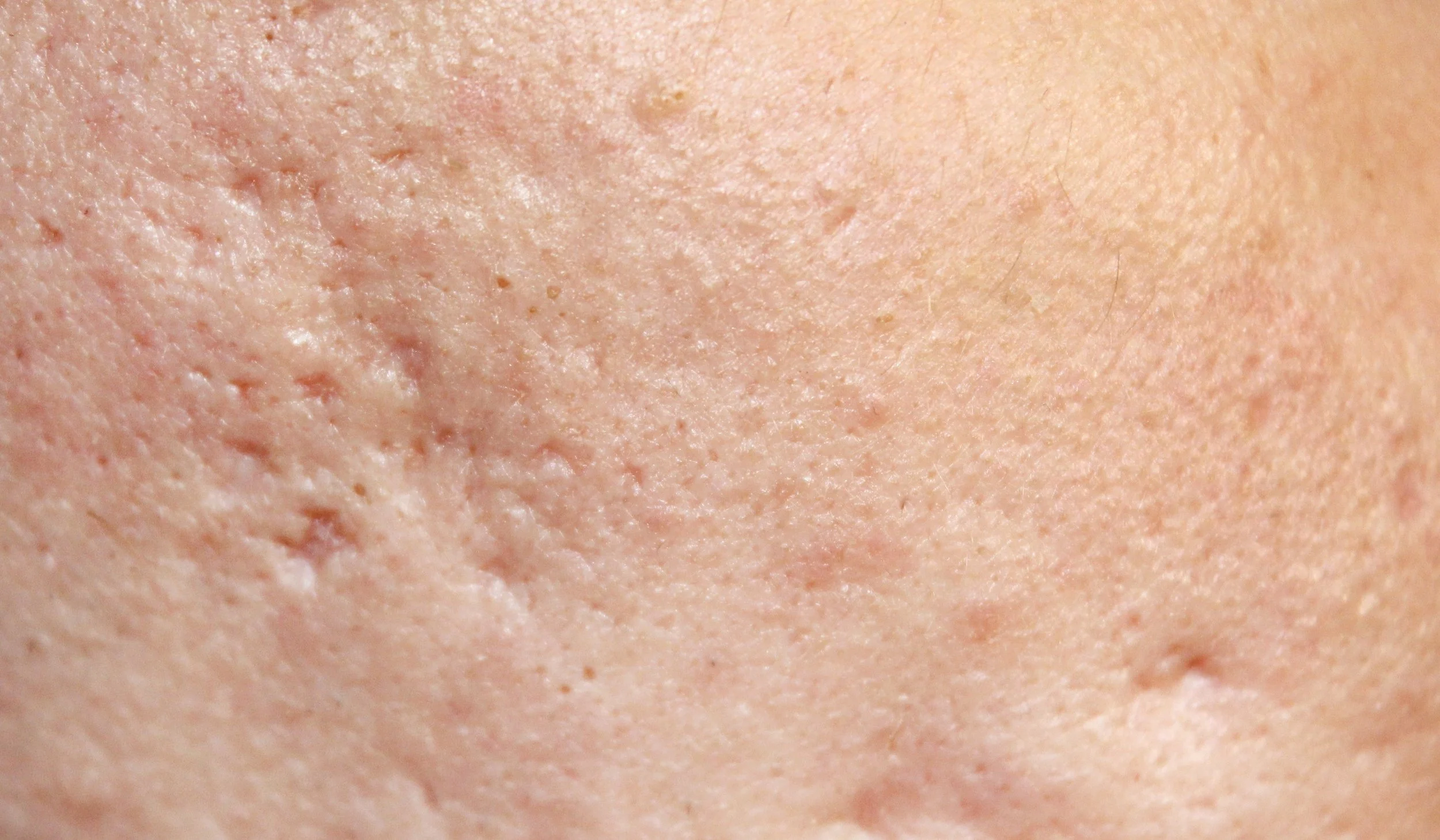
Acne scarring occurs when inflammation damages the skin’s supporting structures, including collagen, elastin and the surrounding dermal tissue. During an acne breakout, particularly with deep, painful papules and pustules, inflammatory mediators and enzymes can disrupt the extracellular matrix that provides the skin with its strength and structure.
As the skin repairs itself, the amount and organisation of newly formed collagen may not adequately restore the original tissue. When collagen production is insufficient, the result can be atrophic scarring — depressions in the skin such as ice-pick, boxcar or rolling scars.
The risk of scarring increases with the severity and duration of inflammation, repeated breakouts and physical manipulation, including squeezing or picking. Unlike post-acne marks, established scars involve a structural change in the skin and may require a different treatment approach to improve their appearance.
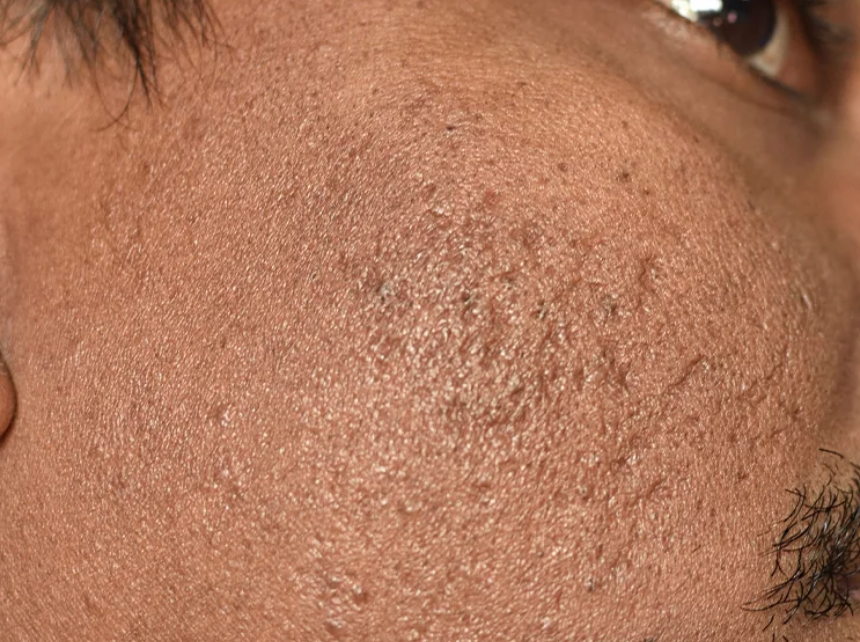
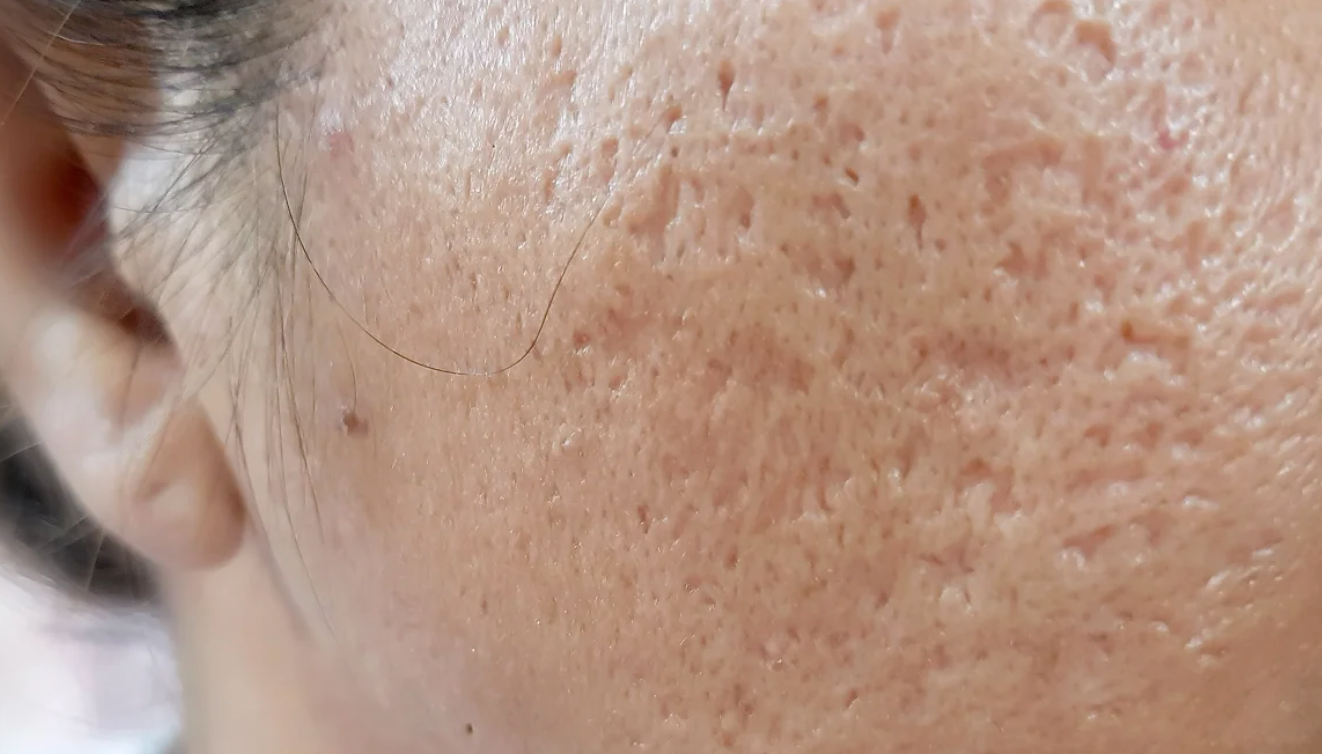
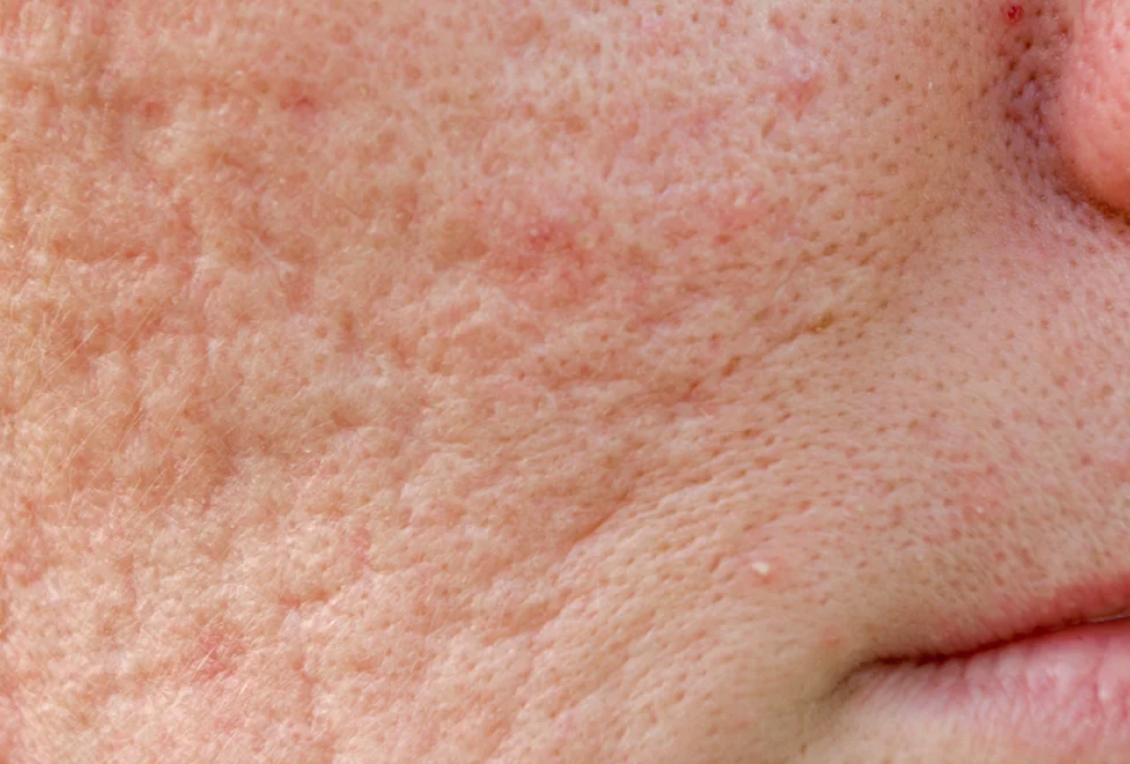
Boxcar Scarring
Icepick Scarring
Rolling Scarring
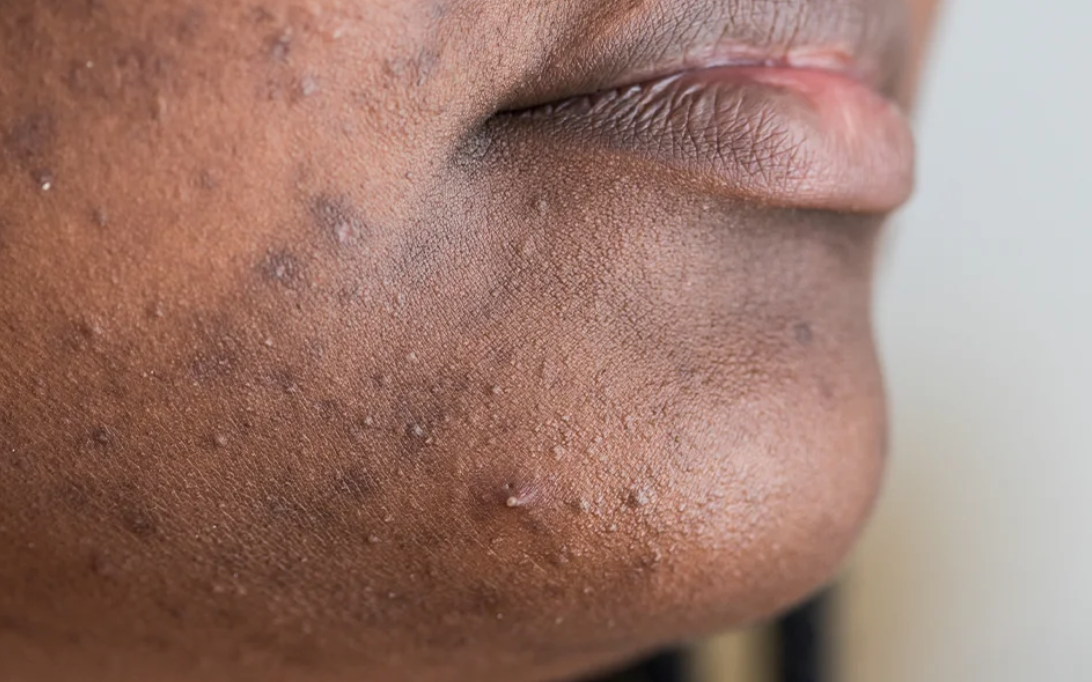
Pigment | PIH
Post-inflammatory hyperpigmentation (PIH) develops when inflammation stimulates increased melanin production or causes pigment to become deposited within the skin. During an inflammatory acne lesion, chemical signals can activate melanocytes — the cells responsible for producing melanin.
These cells may increase pigment production and transfer melanin into surrounding keratinocytes, leaving a brown, dark brown or grey-brown mark after the breakout has resolved. If inflammation damages the base layer of the epidermis, melanin can also escape into the dermis.
This is one reason some marks take months or longer to fade. PIH is particularly common in darker skin tones, where the melanocyte response to inflammation can be more pronounced, although it can affect all skin tones. UV exposure and visible light can further intensify pigmentation in susceptible skin.
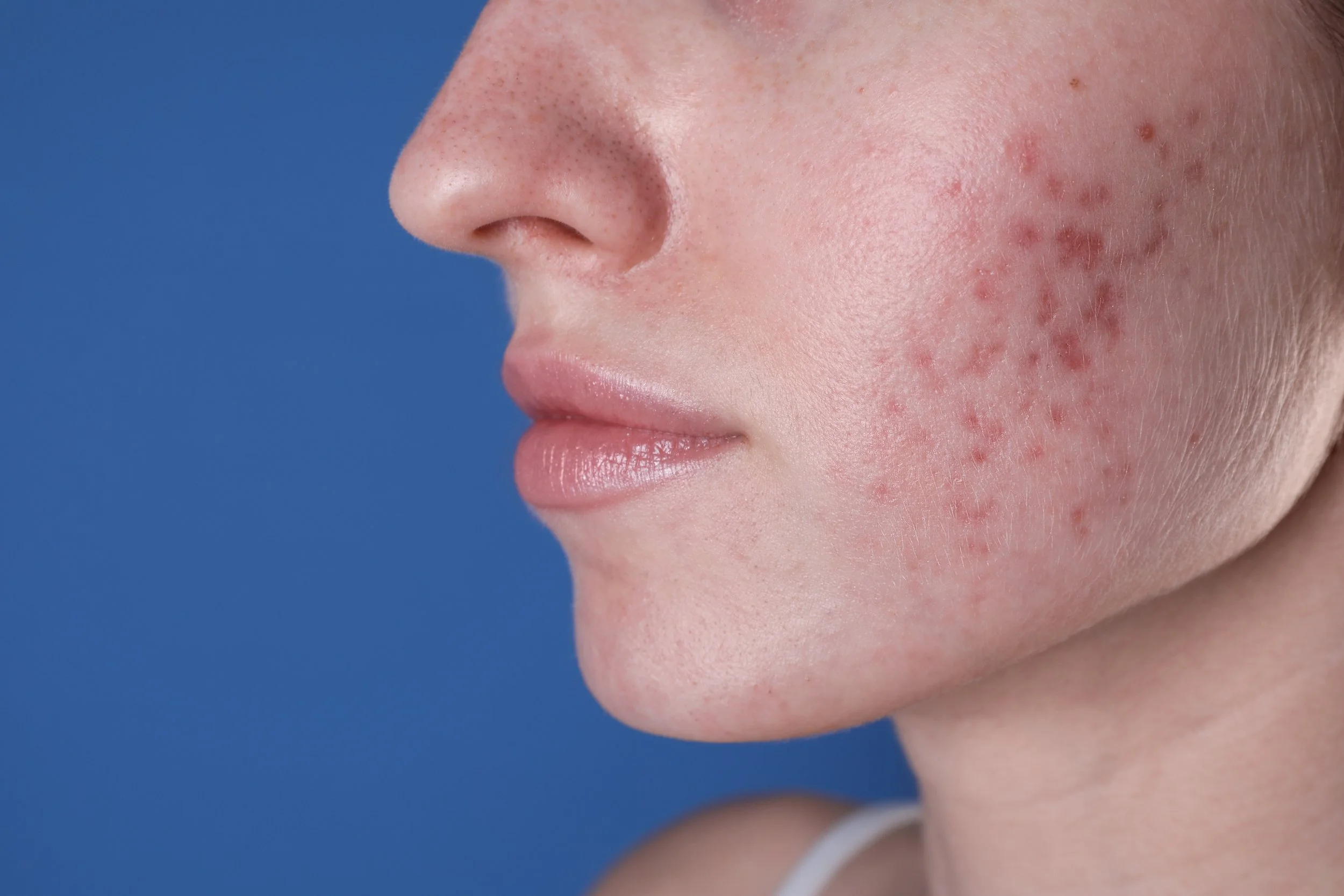
Redness | PIE
Post-inflammatory erythema (PIE) presents as persistent pink, red, purple or sometimes dusky marks following an inflammatory acne lesion. Unlike PIH, which is primarily associated with melanin, PIE is largely linked to changes in the superficial blood vessels and the inflammatory response.
During acne inflammation, blood vessels dilate to increase blood flow to the affected area and support the immune response and tissue repair. In some cases, vascular changes and residual inflammation remain visible even after the spot itself has healed.
Damage to the surrounding tissue may contribute to the persistence of these marks. PIE can be more apparent in lighter skin tones, where redness is easier to see, but it can occur across all skin tones and may appear more purple or dusky in deeper complexions.
Ready to Explore Your Options?
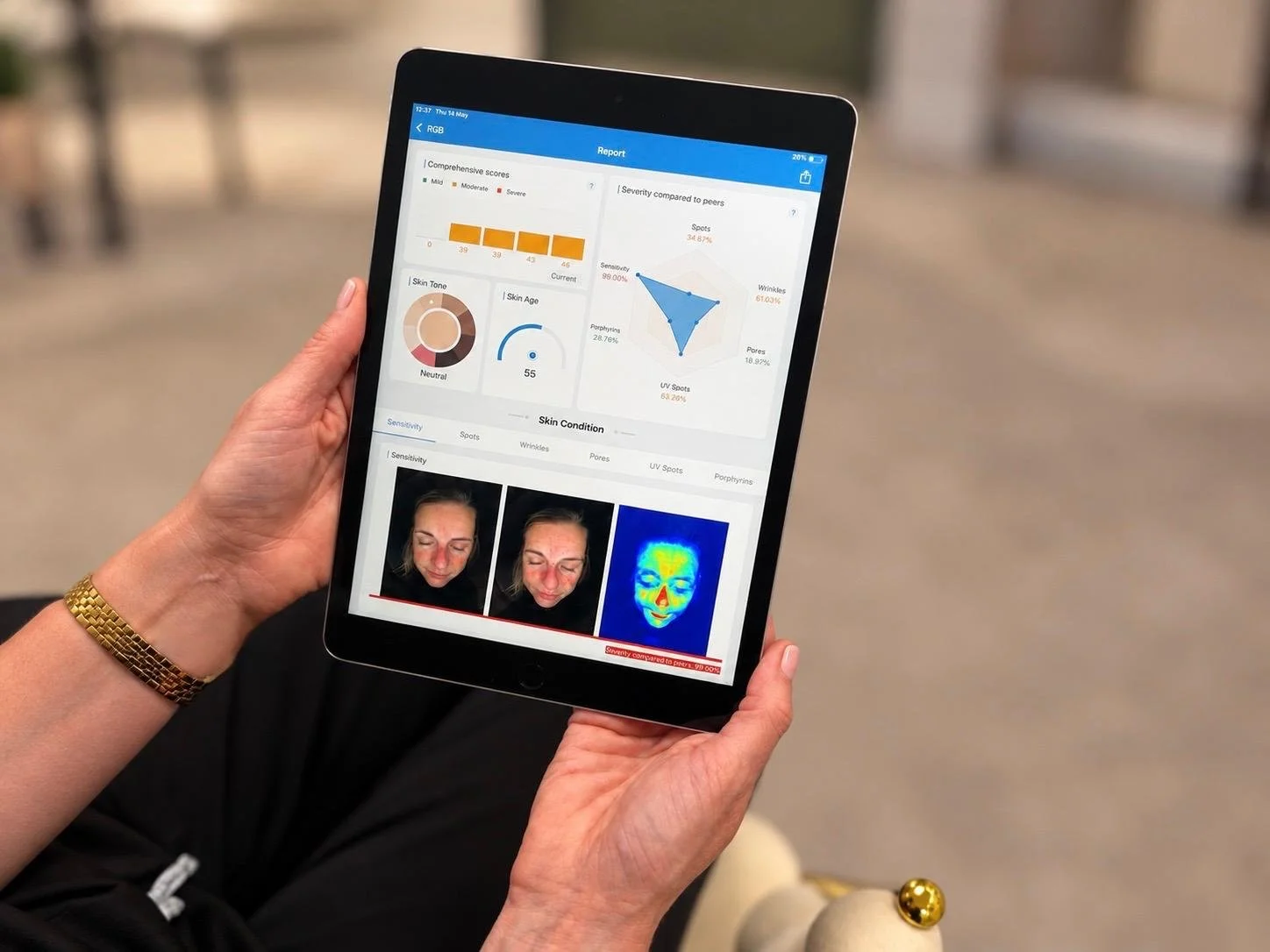
Your Advanced Skin Health Check combines expert skin analysis and advanced diagnostics to identify contributing factors and create your personalised Cellular Renewal Pathway.