acne
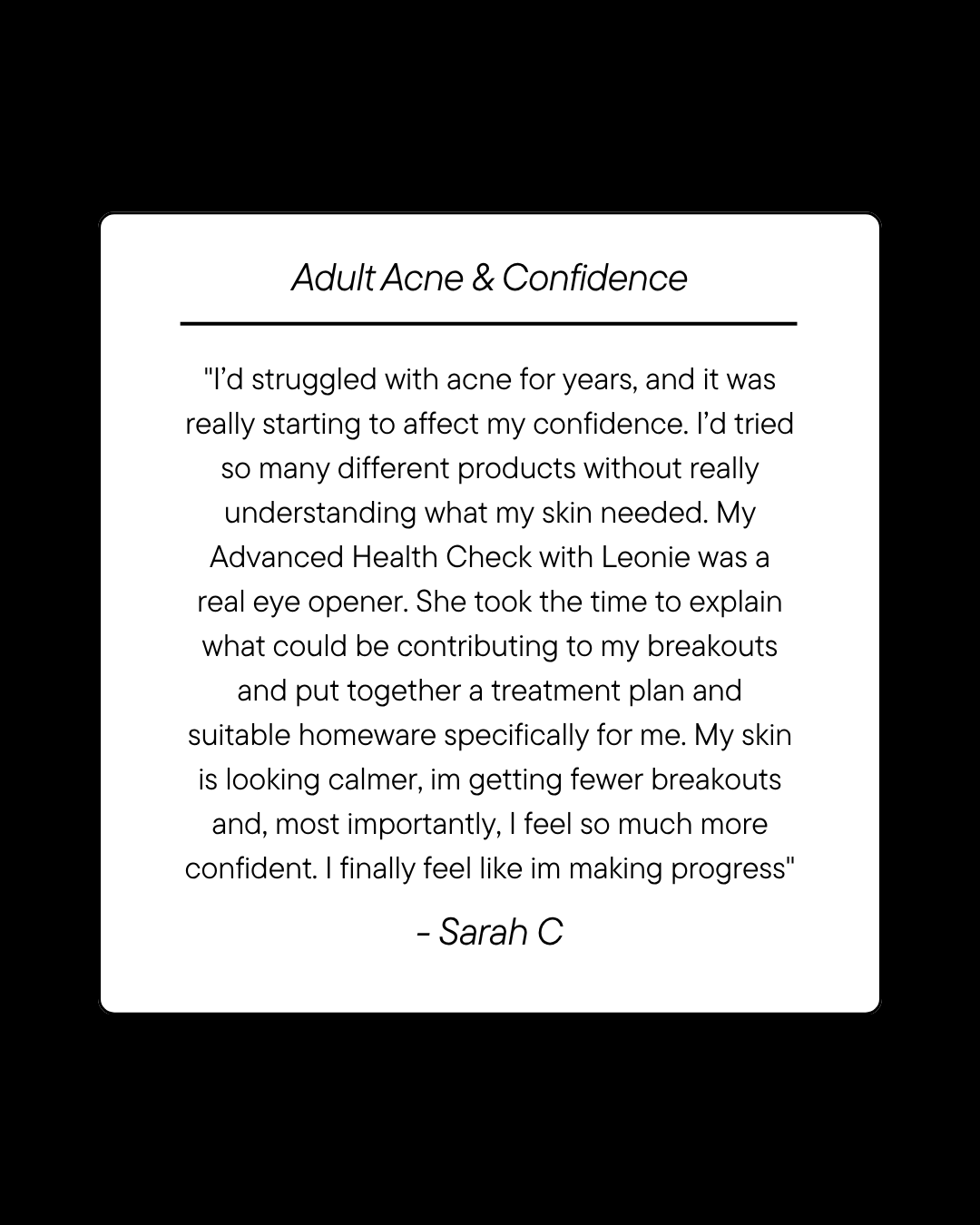
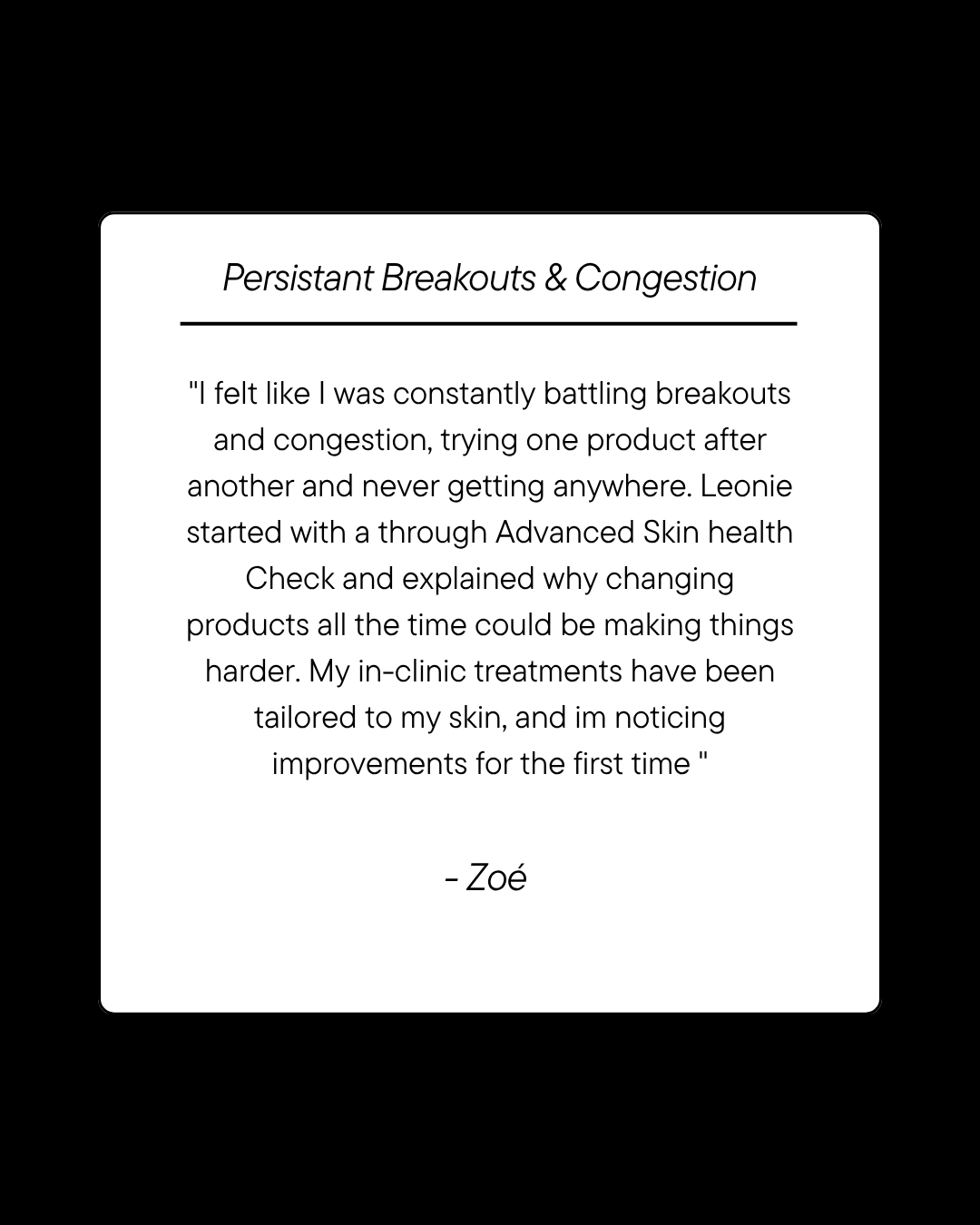
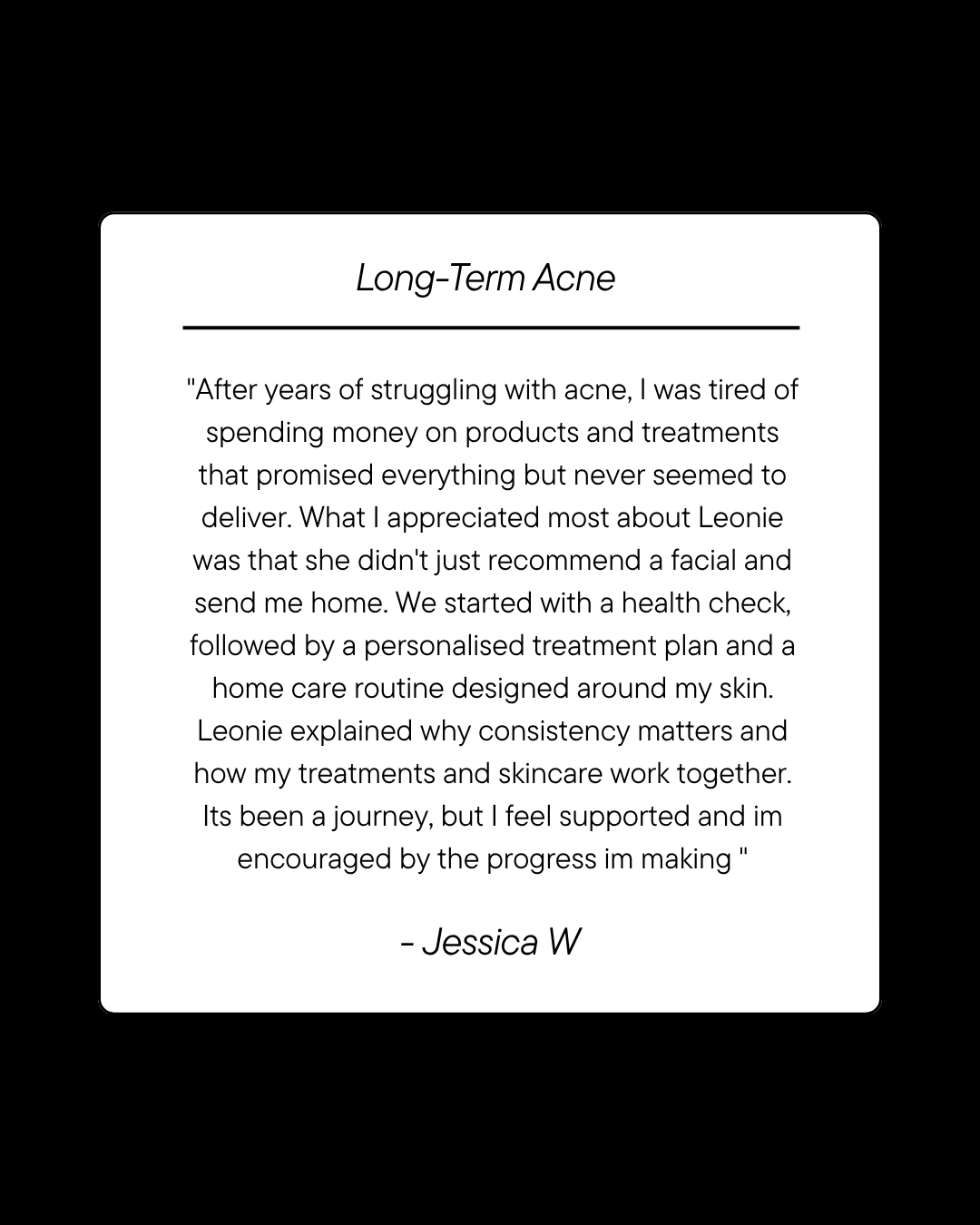
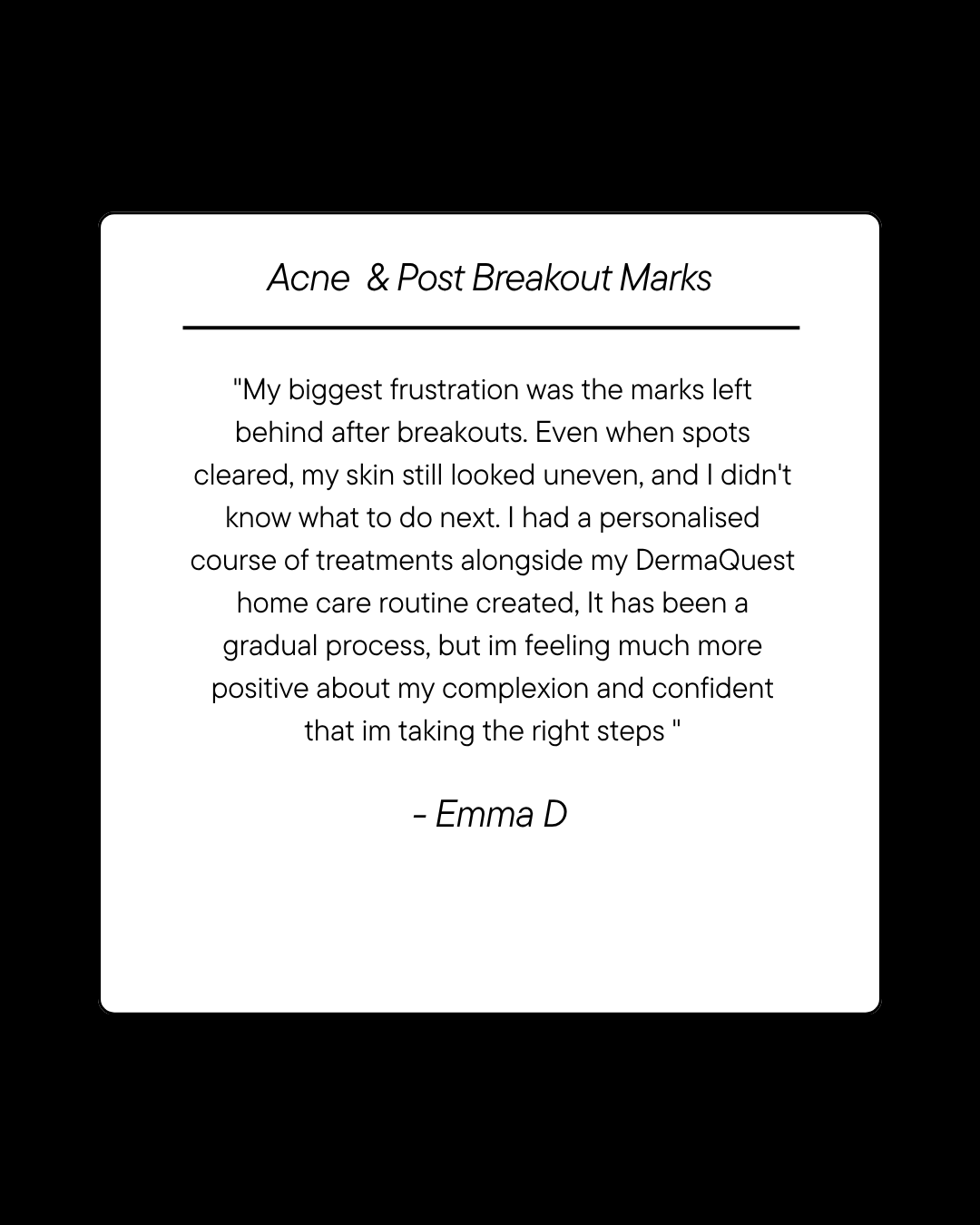
Before and After
Understanding the Factors That Influence Acne
Acne is more than a surface-level concern. It develops through a combination of factors that influence oil production, pore congestion, inflammation and skin barrier function. Understanding what is happening within the skin helps identify the factors contributing to breakouts and supports a more targeted approach to long-term skin health.
Acne Influences
Inflammation & Gut Health
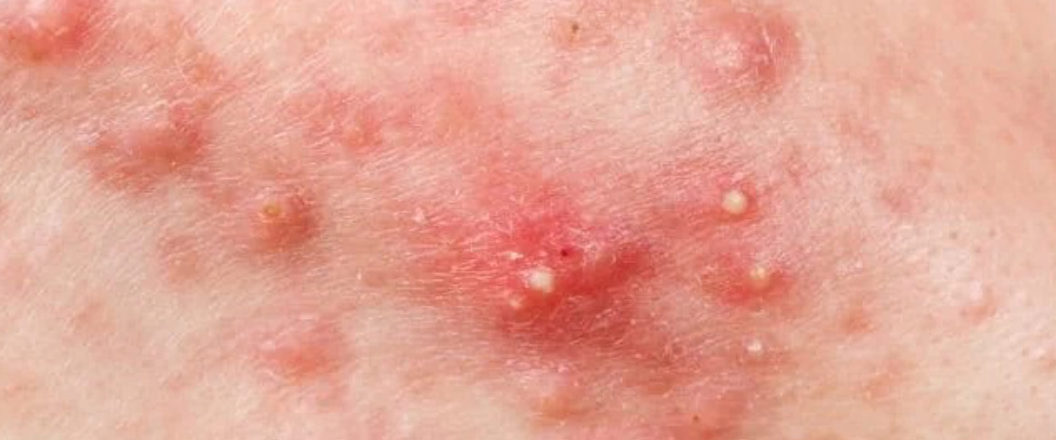
Inflammation is the skin’s natural defence response. When excess sebum and dead skin cells accumulate within a hair follicle, the pore can become blocked, triggering an immune response that causes redness, swelling and inflamed blemishes. Your gut microbiome may also influence immune function and inflammatory pathways.
When inflammation intensifies, the follicular wall can weaken or rupture, allowing its contents to enter the surrounding dermis. This can damage collagen and increase the risk of acne scarring and post-inflammatory pigmentation. Managing inflammation and identifying individual contributing factors can help reduce ongoing breakouts and the risk of lasting skin changes.
Hormonal Changes
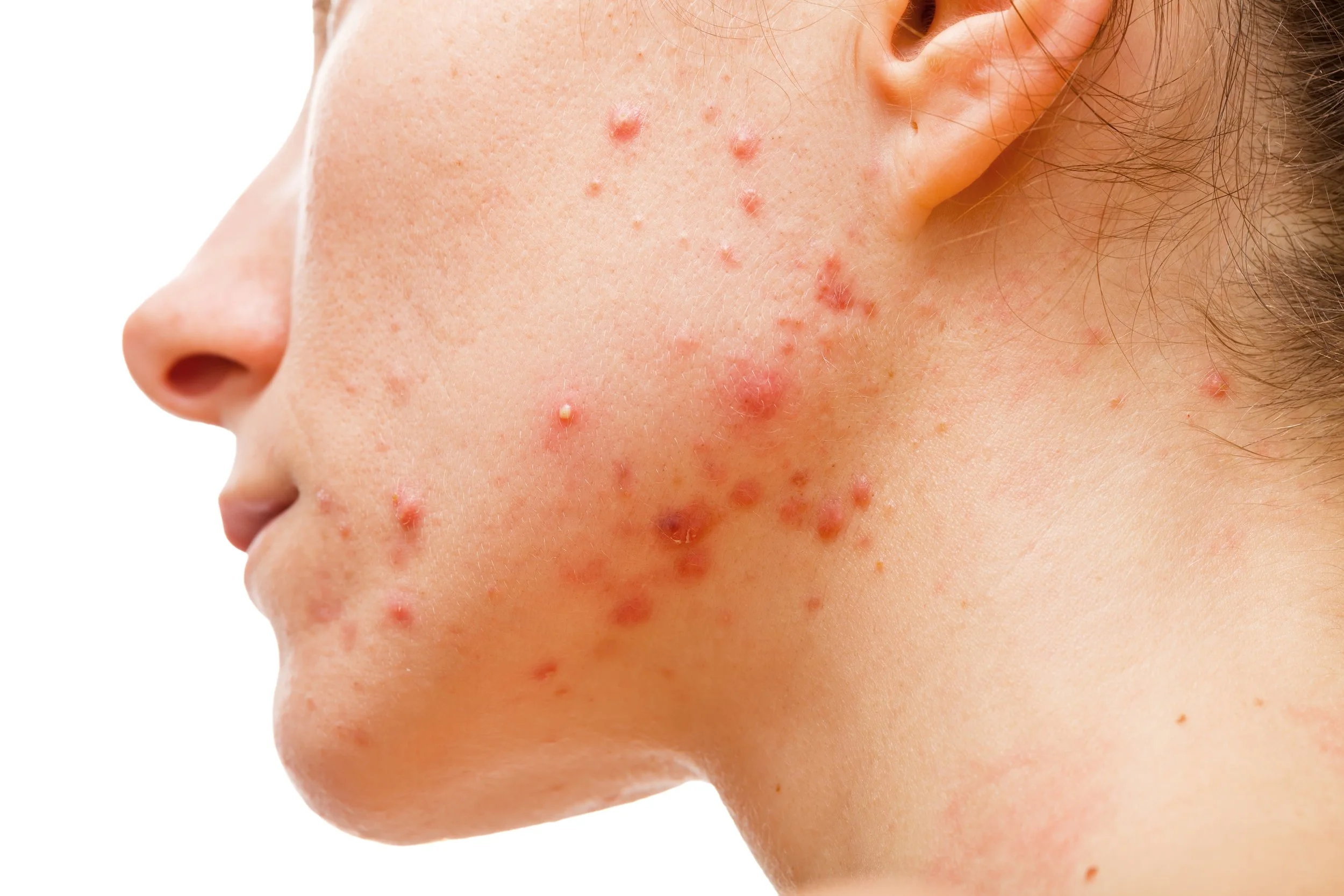
Hormones, particularly androgens, stimulate the sebaceous glands to produce sebum. When oil production increases and dead skin cells accumulate within the follicle, pores become more prone to congestion and inflammation. Menstrual cycles, PCOS, perimenopause and menopause can influence breakout patterns, with hormonal acne often affecting the chin, jawline and lower face.
As congestion develops, microscopic blockages can progress into visible blemishes. If inflammation extends into the deeper skin, it can affect the surrounding dermal tissue, increasing the risk of scarring and pigmentation. Understanding your breakout patterns and hormonal history helps identify potential influences and guide a personalised approach to acne management.
Skin Barrier Function
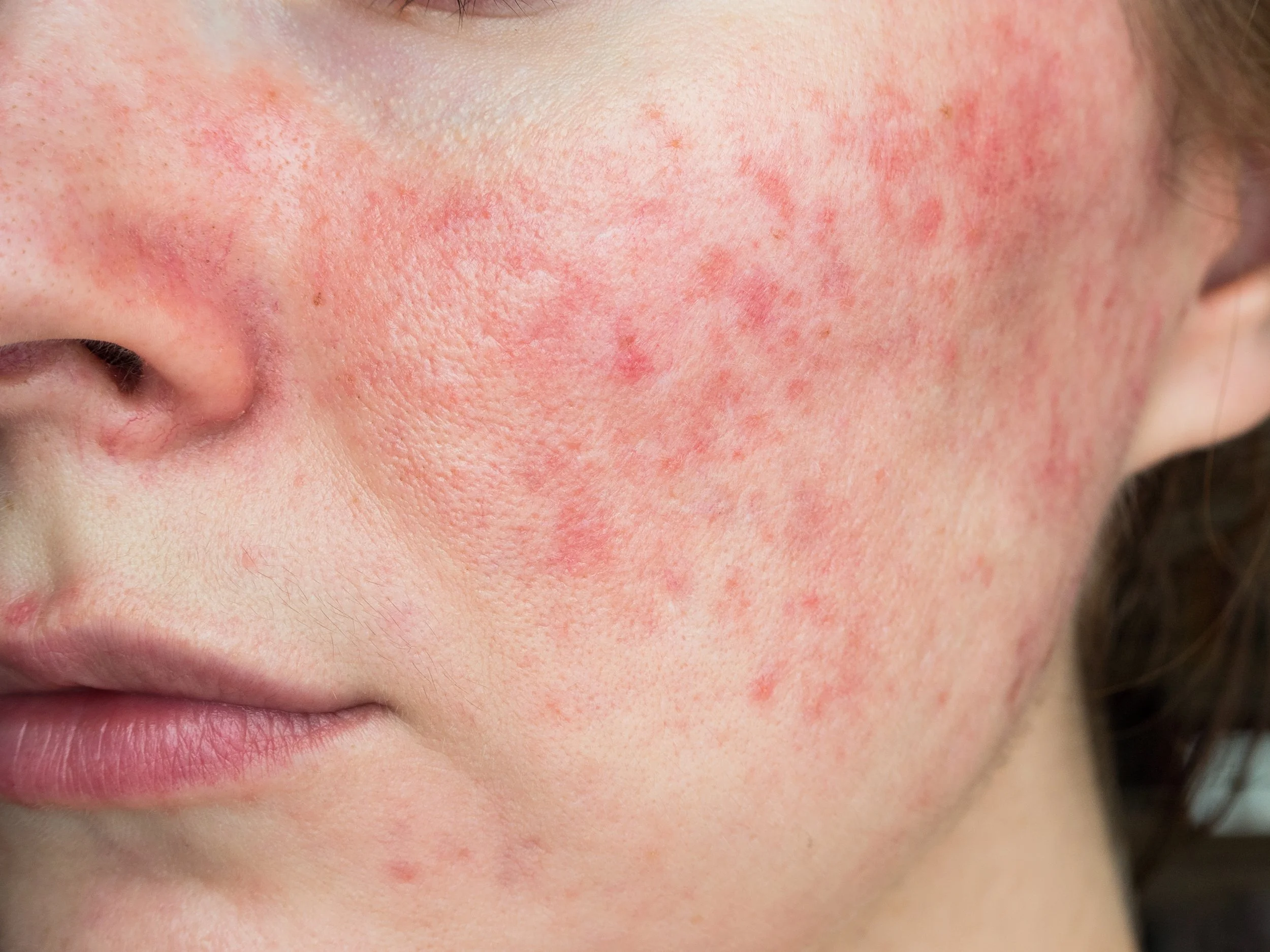
Your skin barrier, formed by the outermost layer of the epidermis, helps retain moisture and protect against external irritants. When this protective structure is disrupted by harsh cleansing, excessive exfoliation or inflammation, water escapes more readily and the skin can become dry, sensitive, red and reactive. Although barrier disruption does not directly cause all acne, it can aggravate existing breakouts and reduce the skin’s tolerance of active ingredients.
A compromised barrier can sustain irritation and inflammatory responses, potentially worsening acne and increasing the risk of post-inflammatory redness or pigmentation. Supporting barrier function through appropriate hydration, protective lipids and carefully selected skincare helps maintain skin resilience while allowing acne treatments to be better tolerated.
Unsuitable or Incorrect Skincare
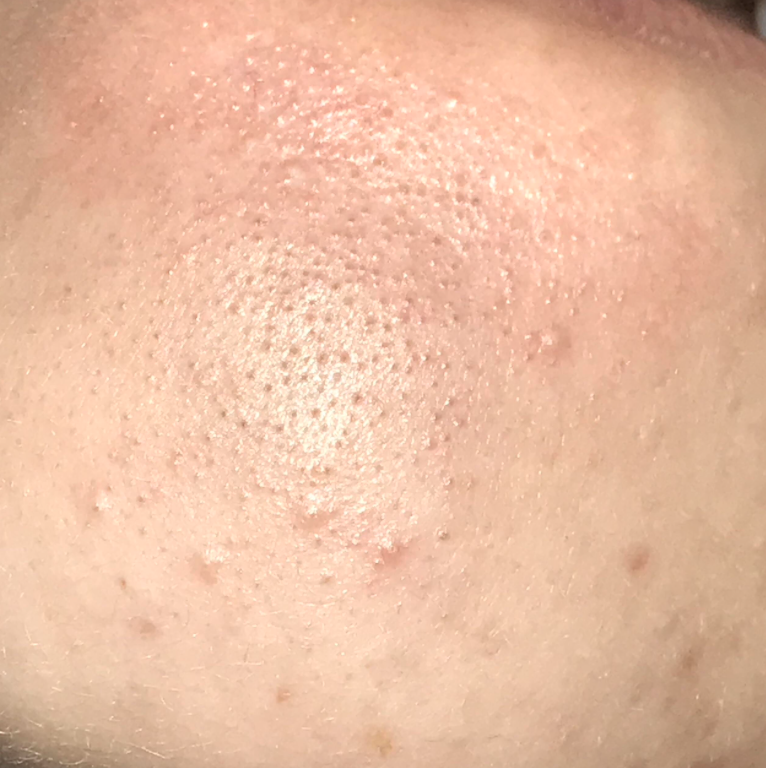
Using unsuitable products or overly aggressive routines can contribute to congestion, irritation and persistent breakouts. Some formulations may clog pores, while harsh cleansers, excessive exfoliation and incorrect use of active ingredients can disrupt the skin barrier and intensify inflammation.
Congestion begins when sebum and dead skin cells accumulate within the follicle. If the resulting inflammation becomes severe, the follicular wall and surrounding collagen-rich tissue can be damaged, potentially leaving textural scars or post-inflammatory pigmentation. A carefully selected routine should target congestion and inflammation without stripping the skin, compromising barrier function or creating unnecessary irritation.
Ready to understand your acne?
Ready to understand your acne?
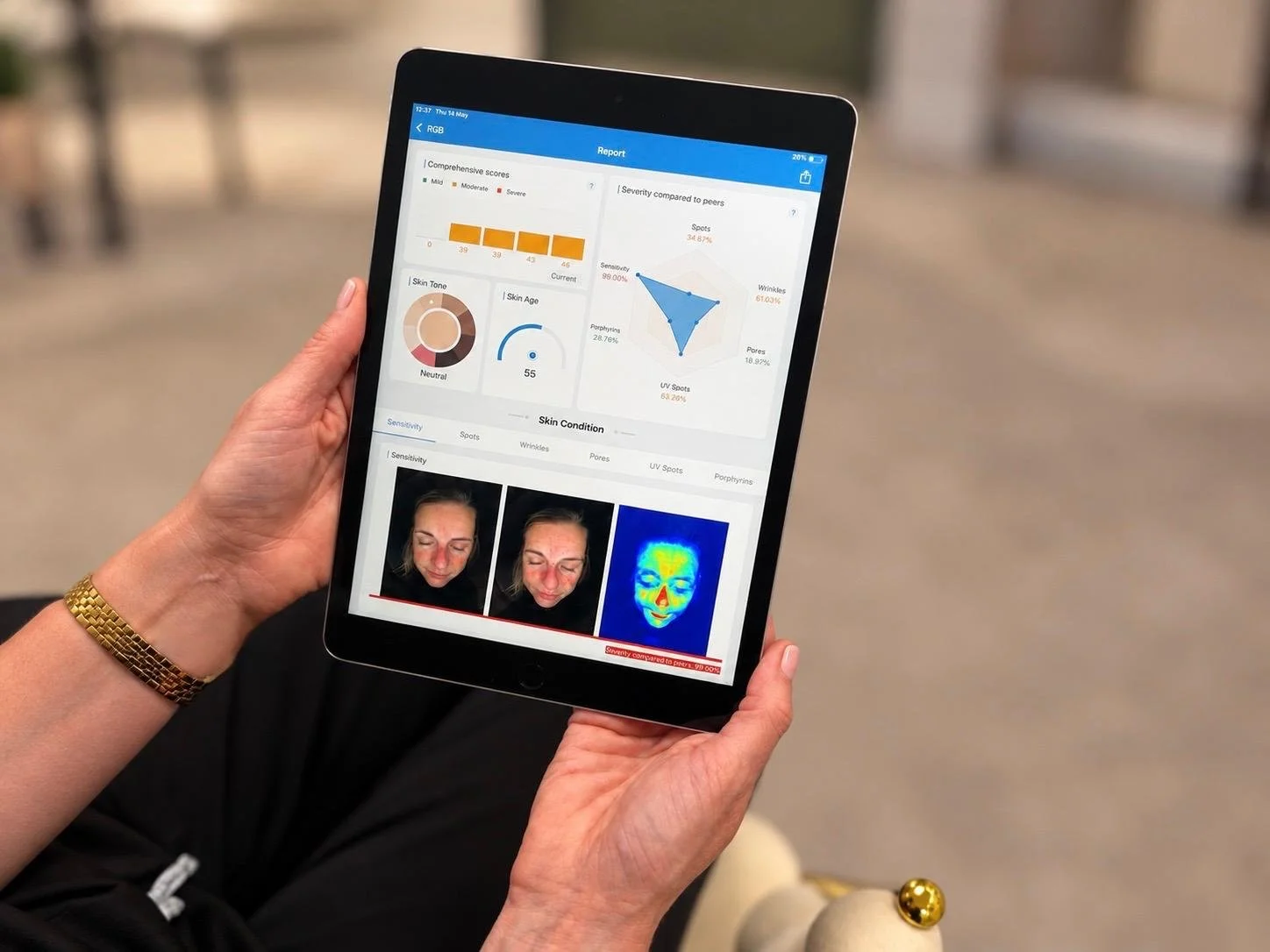
Your Advanced Skin Health Check combines expert skin analysis and advanced diagnostics to identify contributing factors and create your personalised Cellular Renewal Pathway.